
Condylograph Gamma CADIAX: Supporting Temporomandibular Joint Assessment
Condylograph Gamma CADIAX is an electronic system that records mandibular condylar movements in three dimensions. It provides additional information for dentists assessing temporomandibular joint (TMJ) function in patients with pain in front of the ear, jaw fatigue, or difficulty opening the mouth. However, the device does not replace a clinical examination or directly treat temporomandibular disorders (TMD).
1. What Symptoms May Indicate a Temporomandibular Disorder?
The temporomandibular joints connect the lower jaw to the skull and allow us to chew, speak, and yawn. TMD may affect the jaw joints, chewing muscles, or both. Common symptoms include:
-
Pain in front of the ears or around the temples, especially after prolonged chewing.
-
Pain when opening the mouth widely, restricted jaw opening, or a sensation that the jaw is stuck.
-
Clicking or popping sounds when opening or closing the mouth.
-
Tight chewing muscles, discomfort upon waking, or deviation of the jaw during opening.
Joint sounds alone, without pain or functional limitations, do not necessarily require treatment. Repeated pain or worsening jaw movement should be evaluated.
During the consultation, the dentist asks when symptoms began, how severe they are, whether you clench your teeth, and which activities make the discomfort worse. These details help guide the clinical assessment.
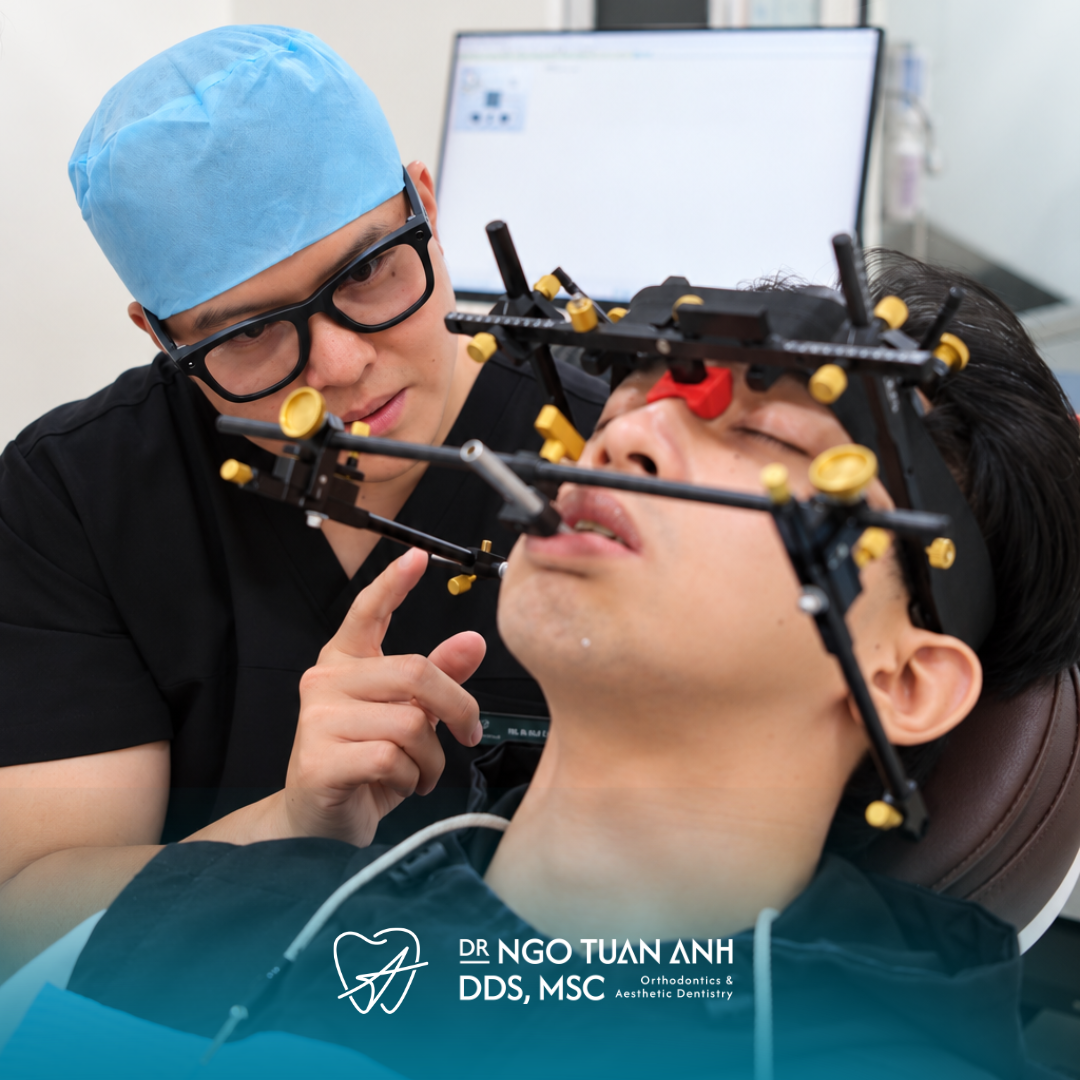
2. What Is Condylograph Gamma CADIAX?
Condylograph Gamma CADIAX refers to an electronic condylar movement recording system associated with Gamma Dental's CADIAX 4 technology, developed in Austria. The recording setup uses a facebow-like frame and sensors to capture movement of both mandibular condyles.
While the patient opens and closes the mouth, moves the jaw forward, or moves it from side to side, the system records movement paths and ranges. This dynamic information can complement static imaging and findings from the physical examination.
The sensor-based movement recording itself does not use X-rays. Dental imaging may be ordered separately when clinically indicated.
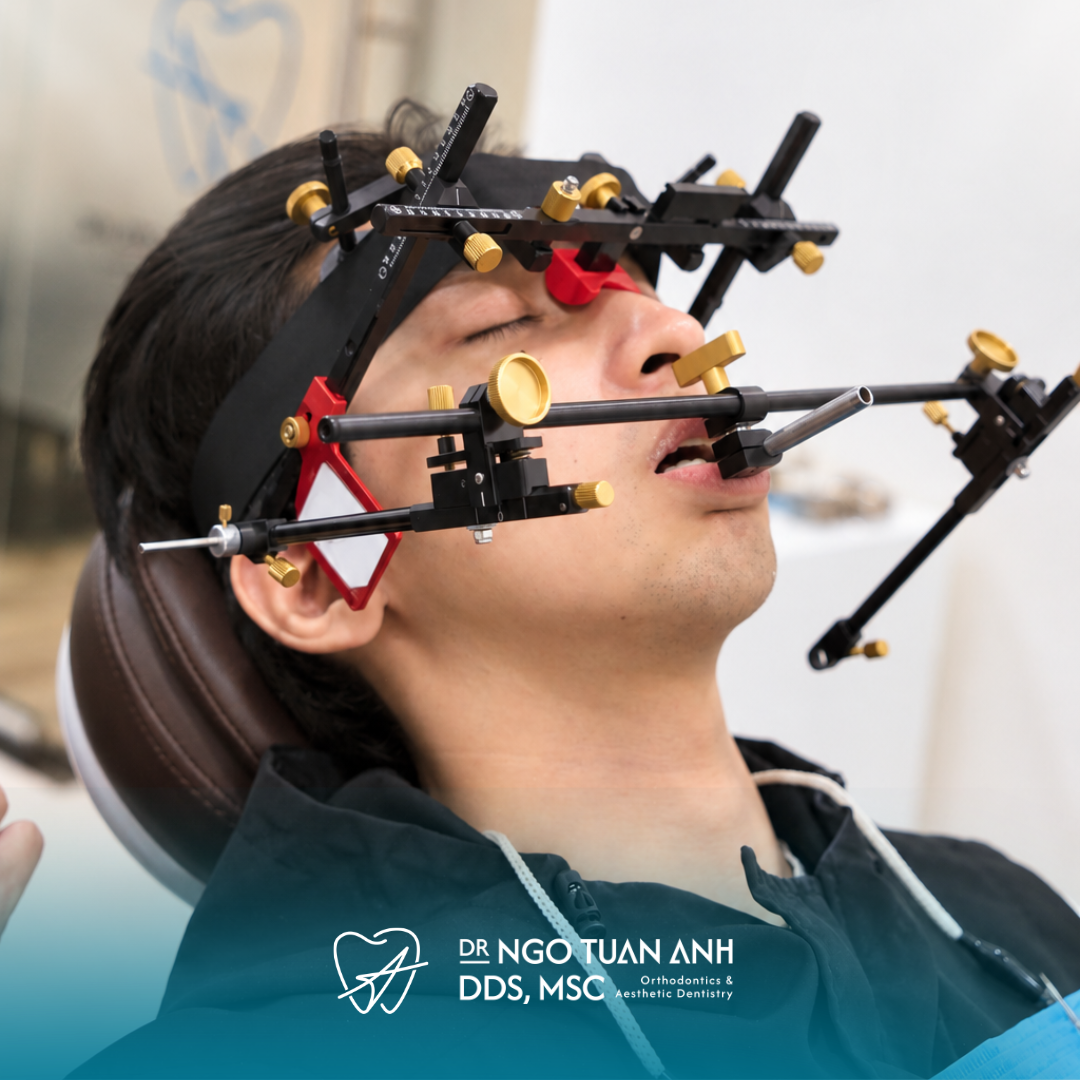
3. What Can Condylograph Gamma CADIAX Help Assess?
Three-dimensional movement recording: The system documents condylar movement paths and the rotation and translation involved in jaw opening and closing.
Comparison between the two joints: It provides measurements of movement range, direction, and coordination between the right and left sides.
Additional treatment-planning information: Dentists can interpret these recordings alongside reported symptoms, muscle examination, bite assessment, and imaging when appropriate.
Importantly, Condylograph Gamma CADIAX cannot independently identify the cause of pain or confirm a displaced articular disc. Magnetic resonance imaging (MRI) may be requested to assess the disc and surrounding soft tissues, while cone-beam computed tomography (CBCT) can help evaluate bony structures when necessary.

4. How Does the System Support TMD Management?
TMD has several possible contributing factors, so treatment must be tailored to the patient. Movement-recording data may offer supplementary functional information, but diagnosis and care decisions are based primarily on the clinical evaluation.
Conservative management is usually considered first. Depending on the situation, advice may include reducing tooth clenching, temporarily avoiding very hard foods, relaxing the jaw, or performing appropriate jaw exercises. Physical therapy, medication, or an occlusal splint may also be recommended when indicated.
Not everyone with TMD needs orthodontic treatment, bite adjustment, or surgery. At DDS, MSc Ngo Tuan Anh Dental Clinic, Condylograph Gamma CADIAX may be used as an additional assessment tool when the dentist considers the information helpful.
Learn more about orthodontics and temporomandibular disorder management.
5. When Should You Schedule a TMJ Examination?
Seek an evaluation if pain in front of the ear keeps returning, chewing causes fatigue, jaw opening becomes limited, or the jaw frequently locks. Sudden locking or severe pain requires prompt assessment.
The dentist will determine whether condylar movement recording or imaging is necessary. A clicking sound alone does not mean that everyone needs this examination.
6. Conclusion
Condylograph Gamma CADIAX records 3D condylar movements and can provide supplementary information when assessing jaw function. It is not a stand-alone diagnostic method and does not directly cure TMD.
Book an appointment at DDS, MSc Ngo Tuan Anh Dental Clinic for an assessment of your chewing muscles and temporomandibular joints and personalized advice on an appropriate management plan.