
What Are Gaps Between Teeth?
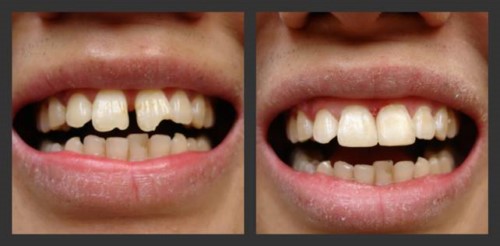
Gaps between teeth, also known as tooth spacing or diastema, refer to spaces that appear between teeth along the dental arch. This condition may occur between the front teeth, side teeth, or in multiple areas of the mouth.
Many people think that gaps between teeth are only an aesthetic concern, making the smile look less harmonious or causing a lack of confidence when communicating. However, in some cases, tooth gaps may also be associated with bite misalignment, periodontal tissue problems, food impaction, and an increased risk of oral health issues.
Why Do Gaps Between Teeth Occur?
For effective treatment, the dentist needs to identify the underlying cause of tooth gaps instead of simply closing the spaces on the surface. Each cause requires a different treatment approach, depending on the number of teeth, tooth size, dental arch, and bite condition of each patient.
1. Tooth Gaps Related to the Number of Teeth
In adults, there are normally 32 teeth in total, including wisdom teeth. When the number of teeth in the dental arch is reduced due to tooth loss, congenitally missing teeth, or impacted teeth, the neighboring teeth tend to move into the empty space.
Over time, this movement can change the position of the teeth along the dental arch, creating gaps between the remaining teeth. This is one of the common causes of tooth gaps.
In this case, the dentist may recommend restoring the missing tooth or replacing a congenitally missing tooth. If there is an impacted tooth, orthodontic treatment may be considered to guide the tooth into its proper position on the dental arch.
2. Tooth Gaps Caused by Teeth That Are Smaller Than the Dental Arch
Another cause of tooth gaps is when the teeth are smaller than the available space in the dental arch. This condition is commonly seen in the upper lateral incisors, when the teeth are small, peg-shaped, or not proportionate to the adjacent teeth.
When the teeth are small, gaps may appear on both sides of the tooth, making the smile look less balanced. If the bite is stable and the tooth position does not require significant movement, the dentist may consider restoring the tooth size with laminate veneers or other suitable aesthetic dental treatments.
However, closing gaps with porcelain veneers needs to be carefully planned based on tooth shape, tooth proportions, smile line, and overall facial harmony.
3. Tooth Gaps Caused by a Large Jaw Arch
In some cases, the teeth are normal in size, but the jaw arch is wider than the total size of the teeth. As a result, spaces may appear in different areas along the dental arch.
If the tooth shape is already harmonious with the face, orthodontic treatment is often considered to move the teeth closer together, close the gaps, and establish a better bite relationship between the upper and lower jaws.
In this situation, the goal of treating tooth gaps is not only to bring the teeth closer together but also to ensure a stable bite, good chewing function, and long-term treatment stability.
Do Gaps Between Teeth Have Any Effects?
Gaps between teeth can affect smile aesthetics, especially when the spaces are located in the front teeth area. In addition, spaces between teeth can make it easier for food to get trapped, making oral hygiene more difficult.
If not properly monitored, tooth gaps may increase the risk of gum inflammation, gum recession, interproximal cavities, or uneven bite forces. Some cases may also be accompanied by rotated teeth, tilted teeth, or bite misalignment that requires comprehensive treatment.
What Are the Treatment Options for Gaps Between Teeth?
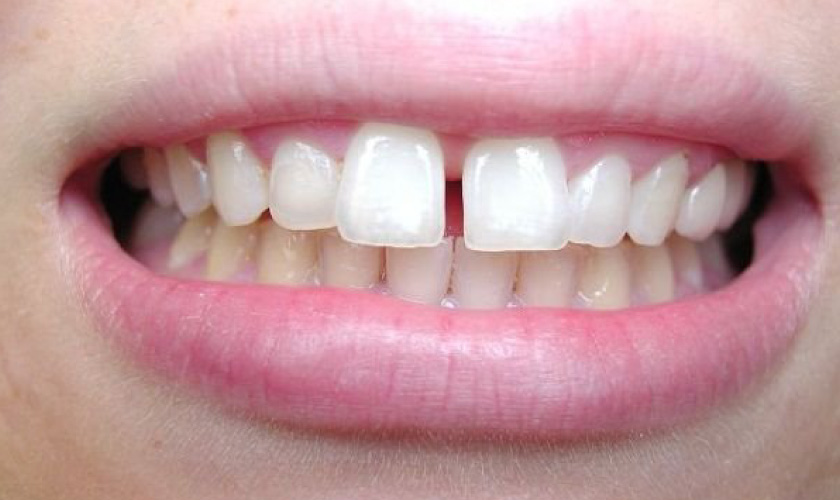
There is no single treatment method that is suitable for all cases of gaps between teeth. Depending on the underlying cause, the dentist may recommend orthodontic treatment, restoration of missing teeth, orthodontic traction for impacted teeth, porcelain veneers, or a combination of multiple methods within the same treatment plan.
Before treatment, the dentist needs to perform a clinical examination, take X-rays, evaluate the bite, and analyze the relationship between the teeth, jaw, and face. This helps identify the exact cause and choose the most suitable treatment option.
When Should You See a Dentist?
You should visit a dentist if you notice that the gaps between your teeth are getting larger, food frequently gets trapped between your teeth, your teeth show signs of shifting, or your smile becomes less harmonious. Early examination helps the dentist accurately assess the condition and prevent oral health problems from progressing later.
Conclusion
Gaps between teeth are not only an aesthetic concern but may also be related to the number of teeth, tooth size, jaw arch, and bite condition. For effective treatment, it is important to identify the correct cause before choosing an intervention method.
At Dr. Ngo Tuan Anh Orthodontics & TMD Center – Aesthetic Dentistry, each case is evaluated based on the condition of the teeth, bite, and facial harmony to create a personalized treatment plan, aiming for a natural, harmonious, and long-lasting smile.
Contact: https://drngotuananh.vn/contact
