
Tooth Wear: A Silent “Epidemic” Affecting the Bite and Smile
Tooth wear is gradually becoming a common oral health problem, but it is often underestimated. Unlike tooth decay, which usually causes noticeable pain, tooth wear progresses silently day by day, causing the hard tooth structure to gradually wear away, the teeth to become shorter, and chewing function to decline over time.
In the early stages, tooth wear may only appear as mild sensitivity when drinking cold water, eating hot foods, or chewing hard foods. However, when tooth wear continues for a long time, patients may have difficulty biting through food, the front teeth may change in shape, the chewing surfaces may become flatter, and the smile may look less harmonious.
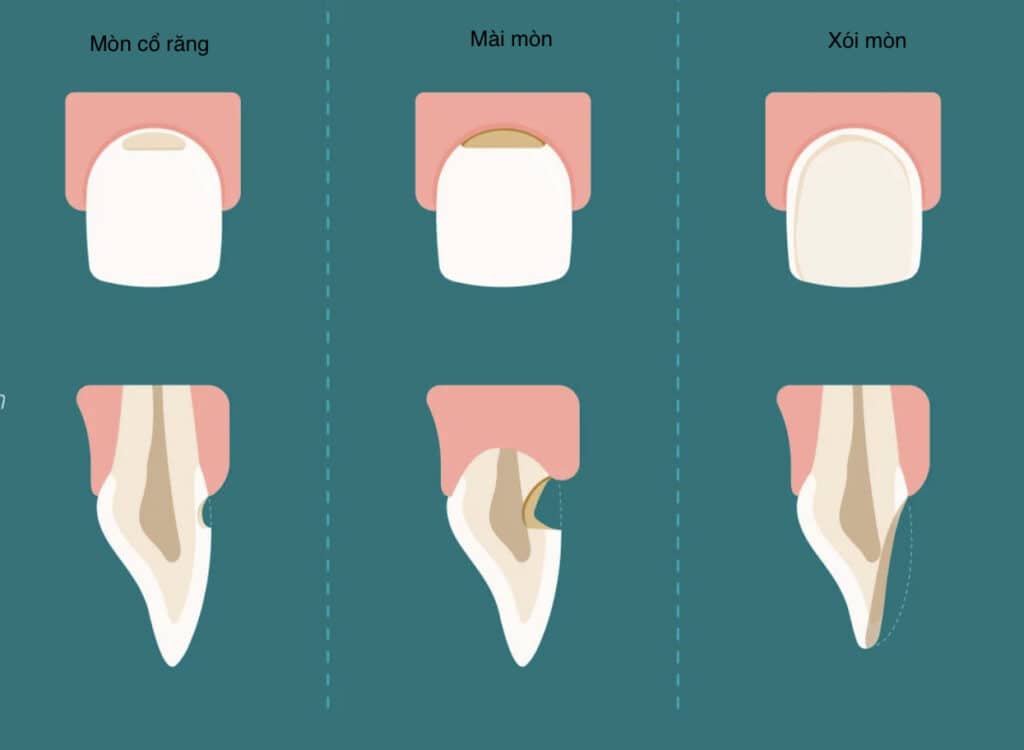
Why Is Tooth Wear Becoming More Common?
Tooth wear does not only occur in older adults. This condition can also be seen in younger people due to many causes, such as teeth grinding, clenching during stress, improper brushing technique, frequent consumption of acidic foods and drinks, or an unstable bite. When chewing forces are not evenly distributed, tooth wear may progress faster in certain areas that receive more pressure.
What makes this condition concerning is that tooth wear usually does not cause severe pain at the beginning. As a result, many people only visit the dentist when their teeth have become noticeably shorter, sensitivity has increased, or the face feels as if it has “lost height” due to reduced vertical dimension of occlusion.
Warning Signs That Should Not Be Ignored
One of the common signs of tooth wear is sensitivity when chewing or when drinking hot or cold beverages. This sensation occurs because the protective enamel layer gradually wears away, making the underlying dentin more easily irritated.
In addition to sensitivity, tooth wear can also make it difficult for patients to bite through food, especially foods that require the cutting force of the front teeth. As tooth wear progresses, the teeth tend to become shorter over time, the smile line changes, and the incisal edges are no longer as sharp as before.
How Does Tooth Wear Affect the Bite?
The harm caused by tooth wear is not limited to aesthetics. When the front and back chewing surfaces become worn down, the bite may change and become imbalanced. In some cases, upper front tooth extrusion, deep bite, or loss of vertical dimension of occlusion may occur.
VDO stands for vertical dimension of occlusion. It plays an important role in maintaining the relationship between the upper and lower jaws, supporting the smile, and creating comfort during chewing. When tooth wear causes VDO to decrease, the face may look older, the teeth may appear shorter, and chewing forces may no longer be distributed physiologically.

When Is Combined Orthodontic and Restorative Treatment Needed?
Not every case of tooth wear can be treated with a simple filling or a single dental crown. In severe cases involving deep bite, loss of VDO, or extrusion of the front teeth, the dentist may need to perform a comprehensive evaluation using clinical images, X-rays, 3D scans, and bite analysis before creating a treatment plan.
In some cases, tooth wear may be indicated for combined treatment with Invisalign orthodontics and porcelain crown restoration to re-establish the bite. The goal is not only to make the teeth longer and more aesthetic, but also to bring the bite back to a physiological relationship, helping chewing function become more stable and reducing excessive pressure on the restored teeth.
What Steps May Be Included in the Treatment Process?
The first step is orthodontic treatment to correct the deep bite and support the restoration of VDO. With the Invisalign clear aligner system, the dentist can plan tooth movement in stages, control the relationship between the front and back teeth, and create favorable conditions for the restorative phase afterward.
After the bite foundation becomes more stable, the next step is porcelain crown restoration to rebuild the tooth shape according to a physiological VDO. At this stage, the dentist needs to calculate tooth height, chewing surfaces, smile line, and facial harmony to reduce the risk of restorations being too high, too low, or causing discomfort during chewing.
Why Should Dental Examination Not Be Delayed?
The longer tooth wear is left untreated, the more natural tooth structure may be lost, and the treatment plan can become more complex. When you notice prolonged tooth sensitivity, shorter teeth, difficulty biting food, or changes in the way your bite feels, you should visit the dentist early to identify the cause and assess the level of damage.
In summary, tooth wear should not be considered a minor problem. Effective treatment for tooth wear must be based on the underlying cause, bite condition, and restorative needs of each individual. Timely intervention helps preserve natural tooth structure, restore chewing function, and improve smile aesthetics in a more sustainable way.
Contact: https://drngotuananh.vn/contact
