
Invisalign Aligners: How to Wear, Remove, and Store Them Properly
Why Is It Important to Wear and Store Invisalign Aligners Properly?
Invisalign aligners are clear orthodontic appliances custom-made for each patient, helping move the teeth according to the dentist’s treatment plan. Because they are removable, this method offers flexibility in eating, drinking, and oral hygiene. However, treatment effectiveness depends greatly on how the patient wears, removes, and stores the aligners every day.
Usually, patients need to wear Invisalign aligners for at least 20 hours per day or as instructed by the dentist. If the aligners are not worn for enough time, do not fit closely, or are frequently removed for too long, the teeth may move more slowly than planned, which can extend the treatment time.
Before using a new set of aligners, you should rinse them thoroughly after removing them from the package. This helps remove any dust or residue from storage and makes the aligners feel cleaner before placing them in your mouth.
How to Wear Invisalign Aligners in the Correct Position
Before wearing your Invisalign aligners, check the correct aligner number printed on the package. Each set of aligners corresponds to a specific stage of tooth movement, so wearing the wrong aligner number may affect the orthodontic treatment plan.
You also need to distinguish between the upper and lower aligners. The upper aligner usually has a larger front teeth area than the lower aligner. In addition, the aligners often have the letter U for the upper arch and L for the lower arch, followed by the aligner number.
When wearing Invisalign aligners, place the aligner in the correct position and gently press it over the front teeth. Then use your fingers to press evenly on the back teeth on both the right and left sides until the aligner fits closely over the teeth, with no visible gap between the aligner and the teeth.
Do not bite down hard if the aligner is not fully seated, as this may deform or damage the aligner. During the first few days after changing to a new aligner, your dentist may instruct you to bite on a cotton roll or aligner chewie to help the aligner fit more closely against the teeth.
Before each time you wear your Invisalign aligners, you should brush your teeth and use dental floss. If the teeth are not cleaned properly, plaque and food particles may become trapped under the aligners, increasing the risk of bad breath, tooth decay, or gum inflammation.
When Should You Contact Your Dentist While Wearing Invisalign Aligners?
A slight feeling of tightness or mild soreness during the first few days after changing to a new aligner is common. However, if you experience severe pain, continuous pain, or excessive discomfort while wearing Invisalign aligners, stop using the aligner and contact your dentist for an examination.
In addition, if the aligner does not fit closely against the teeth, becomes warped, cracked, broken, or feels unusually misaligned, you should not try to adjust it forcefully on your own. Incorrect handling may damage the aligner or affect the direction of tooth movement.
How to Remove Invisalign Aligners Properly
When removing Invisalign aligners, you should start from the molar area. Place your fingertip on the inner edge of the aligner near the molars and slowly lift the aligner away from the teeth. Then repeat the same step on the molars on the opposite side.
Once both sides of the molar area have been lifted, continue removing the aligner slowly toward the front teeth. The movement should be gentle. Do not pull the aligner abruptly or bend it excessively.
Do not use sharp objects to remove Invisalign aligners, as they may scratch the aligner, injure the gums, or dislodge the attachments on the teeth. If you have difficulty removing the aligner, ask your dentist for proper guidance.
After each time you remove the aligner, check the attachments on your teeth. If any attachment becomes loose or falls off, you should contact the dental clinic for early support, as attachments play an important role in helping the aligner create the force needed for tooth movement.
How to Clean Invisalign Aligners Every Day
To keep Invisalign aligners clean, you may gently brush the outer surface of the aligner while wearing it, then remove the aligner to clean the inner surface. Use a soft-bristled toothbrush, clean water, and a small amount of toothpaste if allowed by your dentist.
After brushing, rinse the aligner thoroughly with cool or room-temperature water. Do not rinse Invisalign aligners with hot water, as high temperatures may deform the aligner and prevent it from fitting closely against the teeth as originally designed.
Do not use mouthwash or denture-cleaning solutions to soak the aligners unless instructed by your dentist. Some products may discolor the aligner surface, reduce its transparency, or affect the aligner material.
How to Store Invisalign Aligners When Not in Use
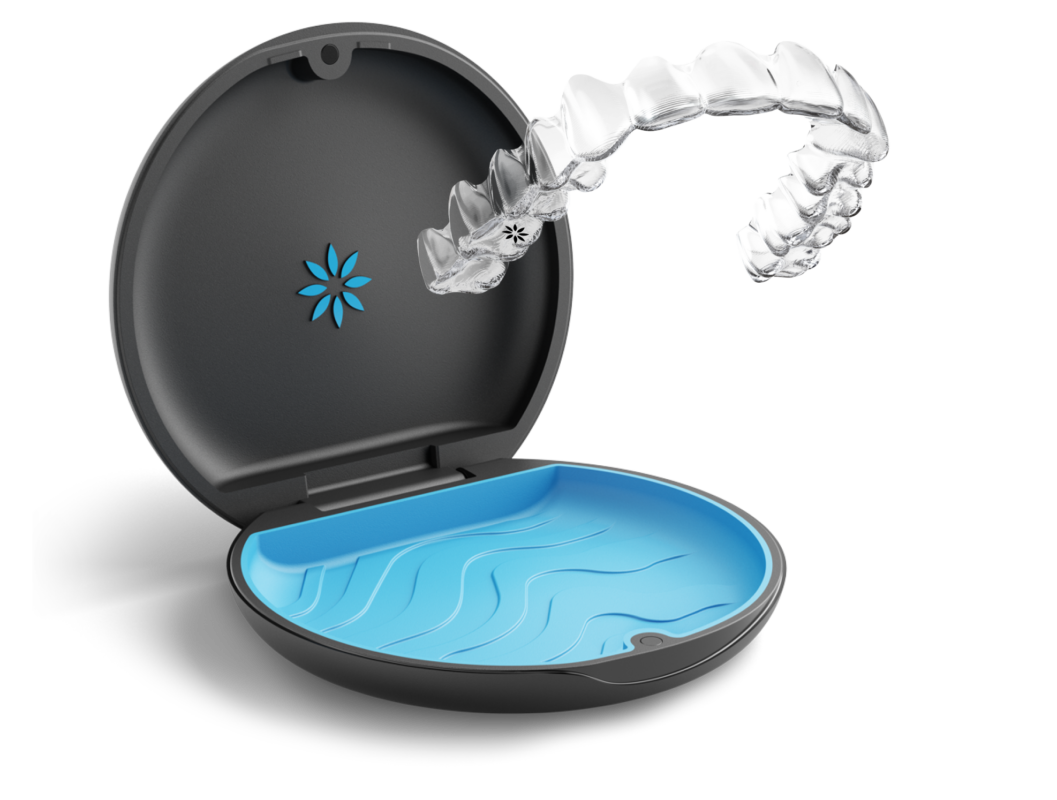
When you are not wearing your Invisalign aligners, rinse off the water and place them in the dedicated aligner case. Do not wrap the aligners in tissue, place them on the dining table, or put them in your pocket, as they can easily be lost, deformed, or accidentally thrown away.
You should also keep all previous aligners according to your dentist’s instructions. In some cases, your dentist may ask you to temporarily wear a previous set of aligners to help control tooth position or manage the situation if the current aligner is lost or damaged.
Keep Invisalign aligners out of the reach of children and pets. In many cases, aligners may be damaged by dogs or cats, or taken by young children to play with, which may require replacement aligners and affect the treatment progress.

Common Mistakes When Using Invisalign Aligners
Some common mistakes include not wearing the aligners for enough time, forgetting to put them back in after meals, cleaning the aligners with hot water, biting down hard when the aligners are not properly seated, or switching to a new set of aligners before the scheduled time.
In addition, many people have the habit of drinking colored beverages while wearing Invisalign aligners. This may cause the aligners to become discolored, retain odors, or create conditions for bacteria to grow if they are not cleaned properly.
To achieve good results, patients should follow the aligner change schedule, attend follow-up appointments on time, and follow the personalized instructions from the dentist. Each orthodontic case has a different level of tooth movement, so patients should not compare their treatment progress with others.
Conclusion
Invisalign aligners offer aesthetics and convenience during orthodontic treatment. However, to achieve good results, patients need to wear the aligners for enough time, remove and insert them properly, clean them carefully, and store them correctly.
At Dr. Ngo Tuan Anh Orthodontics & TMD Center – Aesthetic Dentistry, patients are given detailed instructions on how to use Invisalign aligners at each stage of treatment. This helps the aligners fit closely, stay clean, and support tooth movement according to the treatment plan, while also helping patients use Invisalign aligners more safely.
Contact: https://drngotuananh.vn/contacthttps://drngotuananh.vn/contact
