
Orthodontic retention appliance
When a Baby Tooth Has Severe Decay, Why Should It Not Be Removed Too Early?
Many parents believe that baby teeth do not need treatment because they will eventually fall out. However, baby teeth play an important role in a child’s dental development, jaw growth, chewing function, speech development, and future tooth alignment.
Baby teeth help maintain space for permanent teeth, support normal chewing, guide speech, preserve the balance of the dental arch, and help permanent teeth erupt in a more proper position. In orthodontics, an Orthodontic retention appliance is commonly used after braces or clear aligner treatment to keep teeth stable. However, before a child even reaches the stage of needing an Orthodontic retention appliance, healthy baby teeth already act as natural space maintainers during growth.
If a baby tooth is removed too early, nearby teeth may gradually shift into the empty space. This can reduce the space needed for the permanent tooth to erupt correctly. As a result, the child may have a higher risk of crooked teeth, crowding, bite problems, or needing orthodontic treatment later. In some cases, after orthodontic treatment is completed, an Orthodontic retention appliance may be needed to maintain the corrected tooth positions.
This is why preserving baby teeth whenever possible is important. A stainless steel crown is not an Orthodontic retention appliance, but it can help protect a severely damaged baby tooth and support the natural development of the dental arch. While an Orthodontic retention appliance is used after orthodontic treatment, a stainless steel crown is used much earlier to restore and protect a baby tooth.
When the baby tooth can still be saved, the dentist may recommend a stainless steel crown to restore its shape, improve chewing function, and protect it from further damage. By keeping the baby tooth in place, the dentist may help reduce the risk of premature space loss and lower the chance of more complicated orthodontic problems later.
Why Do Fillings in Baby Teeth Often Fall Out?
For baby teeth with severe decay or large fractures, the remaining tooth structure may be too weak to hold a filling for a long time. Under daily chewing pressure, the filling may crack, loosen, or fall out after a period of use.
In these cases, a stainless steel crown may offer better stability than a large filling because it covers the entire remaining tooth structure. A crown is not an Orthodontic retention appliance, but it can help preserve the baby tooth and maintain space for the permanent tooth to erupt more properly.
Parents should understand the difference between a stainless steel crown and an Orthodontic retention appliance. A stainless steel crown protects a damaged baby tooth. An Orthodontic retention appliance helps maintain tooth position after orthodontic treatment. Both may support long-term oral health, but they are used at different stages and for different purposes.
Some benefits of stainless steel crowns for baby teeth include:
Covering and protecting the remaining tooth structure.
Providing good resistance to chewing force.
Reducing the risk of fillings loosening or falling out.
Lowering the risk of recurrent tooth decay in the treated area.
Helping maintain the baby tooth until it naturally falls out.
By preserving the baby tooth, the dentist can help reduce the risk of early space loss. If space is lost too early, the child may need orthodontic monitoring in the future. After braces or aligner treatment, an Orthodontic retention appliance may then be recommended to help keep the teeth stable.
In other words, stainless steel crowns can help protect baby teeth during childhood, while an Orthodontic retention appliance may become important later after orthodontic correction has been completed.
Which Cases May Need a Crown?
The dentist may consider placing a stainless steel crown in several situations. These include baby teeth with decay on multiple surfaces, teeth that have lost a large amount of structure, teeth after pulp treatment, teeth at risk of cracking during chewing, or old fillings that frequently loosen or fall out.
A stainless steel crown may be especially useful when a regular filling cannot provide enough long-term protection. Although it is not an Orthodontic retention appliance, it helps keep the baby tooth functional until the right time for natural replacement.
Whether a child is suitable for a stainless steel crown should be determined after a direct dental examination. The dentist will assess the level of damage, the remaining tooth structure, the child’s bite, and the expected time before the baby tooth naturally falls out.
This assessment also helps parents understand whether the child may need future orthodontic monitoring. If orthodontic treatment is needed later, an Orthodontic retention appliance may be used after treatment to help maintain tooth alignment and reduce the risk of relapse.
An Orthodontic retention appliance does not treat tooth decay, and it does not replace the role of a stainless steel crown. However, both are related to the long-term goal of maintaining oral function, dental stability, and proper tooth position at different stages of dental care.
Is the Procedure for Placing a Stainless Steel Crown on a Baby Tooth Complicated?
The procedure is usually relatively quick. Treatment time depends on the condition of the tooth, the child’s level of cooperation, and whether pulp treatment is needed before crown placement.
Step 1: Dental Examination and Assessment
The dentist examines the extent of decay, checks the remaining tooth structure, and may request an X-ray if necessary. After that, the dentist determines whether a stainless steel crown is a suitable treatment option.
At this stage, the dentist may also explain that a stainless steel crown and an Orthodontic retention appliance have different purposes. A stainless steel crown protects a damaged baby tooth, while an Orthodontic retention appliance is designed to keep teeth stable after orthodontic treatment.
Step 2: Cleaning and Tooth Preparation
The decayed tooth structure is removed. The dentist then adjusts the shape of the tooth to create enough space for the crown to fit properly.
This step focuses on restoring the damaged baby tooth. It is different from the process of making an Orthodontic retention appliance, which is usually customized after braces or clear aligner treatment.
Step 3: Selecting the Crown Size
Stainless steel crowns are prefabricated in different sizes for each baby tooth position. The dentist selects and adjusts the crown so that it fits closely around the tooth, does not feel too bulky, and does not affect the child’s bite.
Unlike an Orthodontic retention appliance, which is designed to maintain tooth position after orthodontic treatment, a stainless steel crown is used to protect and restore a damaged baby tooth. The crown helps the tooth continue functioning until it naturally falls out.
Step 4: Cementing the Crown
After checking the fit, the dentist uses specialized dental cement to secure the crown onto the baby tooth. During treatment, the dentist will choose an appropriate pain control or anesthesia method based on each child’s condition.
Each child’s experience may be different depending on the level of tooth damage and their ability to cooperate during treatment. With proper care, regular check-ups, and timely dental treatment, parents can help protect their child’s oral health and reduce future complications.
If orthodontic treatment is needed later, an Orthodontic retention appliance may be recommended after braces to help keep the teeth stable. This shows that dental care is a continuous process, from protecting baby teeth early to maintaining orthodontic results later with an Orthodontic retention appliance when necessary.
Conclusion
Severely decayed baby teeth should not always be extracted too early. When possible, preserving the baby tooth can help maintain chewing function, protect dental arch development, and keep space for permanent teeth.
Stainless steel crowns can be a suitable option for many damaged baby teeth. They help protect the remaining tooth structure, improve chewing ability, and support the baby tooth until it naturally falls out. A stainless steel crown is not an Orthodontic retention appliance, but both can contribute to better long-term dental stability in different ways.
An Orthodontic retention appliance is mainly used after orthodontic treatment to help keep teeth in their corrected positions. Meanwhile, preserving baby teeth with proper treatment may help reduce the risk of space loss, crowding, and bite problems before orthodontic care is even needed.
Parents should take their child to the dental clinic early when they notice severe decay, broken teeth, or fillings that often fall out. Early examination allows the dentist to choose the right treatment, preserve the baby tooth when possible, and advise whether future orthodontic monitoring or an Orthodontic retention appliance may be needed after braces in later years.
In summary, baby tooth preservation, stainless steel crowns, orthodontic monitoring, and an Orthodontic retention appliance may all play different roles in protecting a child’s oral health. The key is to treat dental problems at the right time, preserve natural teeth whenever possible, and maintain orthodontic results properly when an Orthodontic retention appliance is needed.
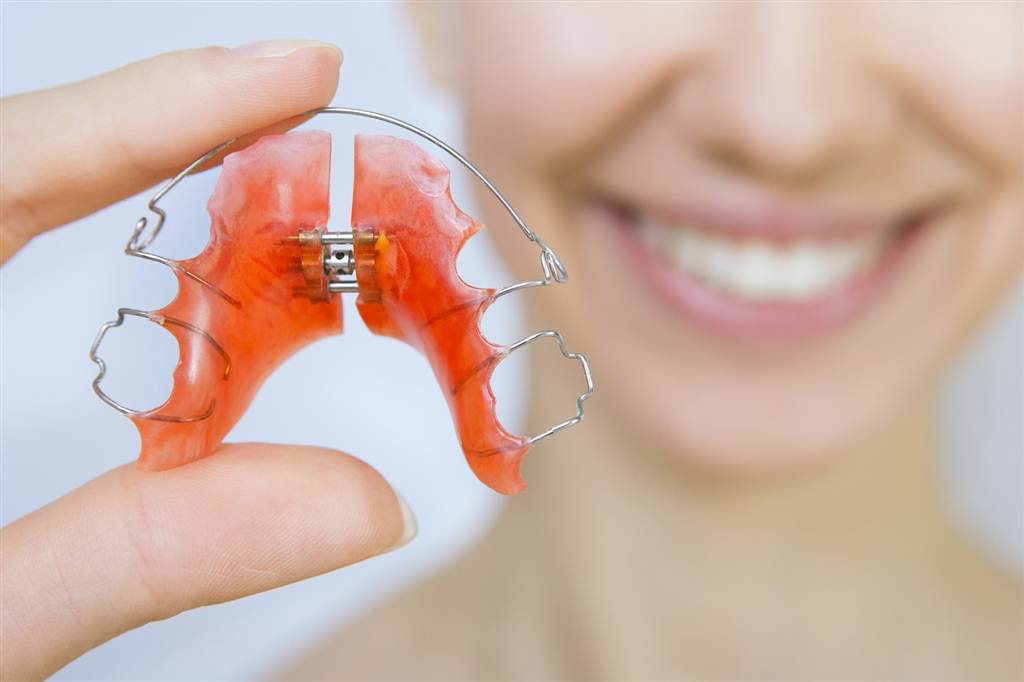
What Is an Orthodontic Retainer?
An orthodontic retainer is a custom-made appliance used after the active tooth movement phase of orthodontic treatment has been completed. It is usually prescribed after braces are removed or after clear aligner treatment ends. At this stage, the teeth may already look straight, the smile may appear more balanced, and the bite may feel more comfortable than before. However, this does not mean that the orthodontic result is completely stable. Teeth and the surrounding tissues still need time to adapt to their new positions, which is why wearing a retainer is an essential part of the overall treatment process.
During orthodontic treatment, teeth are moved gradually through the jawbone under controlled force. As the teeth move, many supporting structures around them also change. These include the periodontal ligaments, gum tissues, alveolar bone, and surrounding soft tissues. Although braces or aligners can guide the teeth into better positions, the tissues around the teeth do not immediately become stable once the appliances are removed. They need time to reorganize and adjust to the new alignment.
The main role of an orthodontic retainer is to hold the teeth in their corrected positions while these supporting tissues continue to remodel. Without proper retention, the teeth may slowly shift due to natural forces in the mouth. These forces may come from chewing, tongue pressure, lip pressure, cheek pressure, oral habits, and the natural “memory” of the periodontal ligaments. This means that even after successful braces treatment, the teeth can still move if they are not properly maintained.
For this reason, an orthodontic retainer should not be considered an optional appliance. It is a necessary step that helps protect the result achieved through months or years of orthodontic treatment. Many patients focus only on the process of wearing braces or aligners, but the retention phase is just as important. A straight smile after braces depends not only on how well the teeth were moved, but also on how well they are maintained afterward.
If an orthodontic retainer is not worn as instructed by the dentist, the teeth may gradually move back toward their original positions. This condition is commonly known as orthodontic relapse. Relapse can happen slowly, so patients may not notice any major changes at first. However, over time, small changes can become more visible. The teeth may begin to rotate, gaps may appear, or crowding may return, especially in the front teeth.
Some common signs of orthodontic relapse include gaps appearing between the teeth, teeth rotating back, crowding returning, changes in the dental midline, and the bite no longer feeling as balanced as it did right after braces removal. Another important warning sign is when the retainer feels tighter than usual after not being worn for a period of time. This may indicate that the teeth have already started to move.
In some cases, relapse may be mild and can be managed early if the patient visits the dentist promptly. However, if tooth movement continues for a long time, the retainer may no longer fit properly. At that point, the patient may need a new retainer, minor correction, or even additional orthodontic treatment depending on the severity of the relapse. This is why patients should not wait until the teeth visibly shift before paying attention to retainer use.
An orthodontic retainer can also help maintain bite stability. Orthodontic treatment does not only aim to make the teeth look straighter. It also helps improve how the upper and lower teeth fit together. After treatment, the bite needs time to settle into a stable position. If the teeth move after braces removal, the bite relationship may also change. This can affect chewing comfort, dental balance, and long-term treatment results.
There are different types of orthodontic retainers, and the dentist will choose the most suitable type based on each patient’s condition. The two main groups are removable retainers and fixed retainers. A removable retainer can be taken out by the patient when eating, drinking, brushing, or cleaning the appliance. It may be made from clear plastic or from an acrylic base with metal wire. A fixed retainer is usually a thin wire bonded to the inner surface of the teeth, commonly behind the lower front teeth.
Each type of retainer has its own advantages. A removable retainer is convenient because it can be removed for eating and cleaning. Clear removable retainers are also more aesthetic because they are less noticeable when worn. However, this type of retainer depends greatly on patient cooperation. If the patient forgets to wear it or stops using it for a long time, the teeth may shift.
A fixed retainer, on the other hand, provides continuous retention because it is bonded directly to the teeth. The patient does not need to remember to wear it every day. This can be helpful for areas with a high risk of relapse, especially the lower front teeth. However, fixed retainers require careful oral hygiene. Food debris and plaque can accumulate around the wire if the patient does not clean properly. Over time, this may increase the risk of tartar buildup, gum inflammation, or tooth decay.
The wearing time for an orthodontic retainer is not the same for every patient. The dentist will give specific instructions based on the patient’s initial tooth condition, age, treatment method, bite stability, periodontal health, and risk of relapse. In many cases, patients are asked to wear their removable retainer full-time during the first few months after braces removal. Later, if the teeth are stable, the dentist may reduce the wearing time to nighttime only.
Some patients may think they can stop wearing the retainer once the teeth look stable. However, natural tooth movement can happen throughout life, even in people who have never had braces. Teeth may change due to aging, chewing forces, oral habits, gum condition, tooth loss, or pressure from the tongue, lips, and cheeks. Therefore, long-term retainer use is often recommended to help maintain orthodontic results.
Long-term retainer use does not mean that the patient must wear the retainer 24 hours a day forever. In many cases, after the initial stabilization period, the wearing schedule becomes much lighter. Some patients may only need to wear the retainer at night a few times per week, depending on the dentist’s recommendation. However, the patient should not reduce wearing time or stop using the retainer without a dental examination.
Proper retainer care is also very important. For removable retainers, patients should rinse the appliance with clean water after removing it and gently clean it with a soft-bristled toothbrush. Hot water should be avoided because heat can deform the plastic part of the retainer and make it no longer fit the teeth properly. Patients should also avoid using abrasive toothpaste, as it may scratch the retainer surface and make plaque accumulate more easily.
When not in use, the retainer should always be stored in a separate case. Many retainers are lost because patients wrap them in tissue or place them on a table during meals. They may be accidentally thrown away, damaged, or forgotten. Keeping the retainer in a case helps protect it from dust, impact, and loss. Patients should also keep the retainer away from pets, as animals may chew or damage the appliance.
For fixed retainers, patients need to pay attention to cleaning around the wire. Brushing alone may not be enough to remove plaque from all areas. The dentist may recommend interdental brushes, floss threaders, or special dental floss to help clean more effectively. Regular dental check-ups are necessary so the dentist can check whether the wire is loose, broken, or detached from the teeth.
Patients should contact the dental clinic if the retainer becomes cracked, broken, deformed, loose, too tight, or no longer fits properly. They should also visit the dentist if they notice gaps appearing between teeth, teeth rotating, crowding returning, or changes in the bite. These signs may indicate that the teeth have started to move and need to be checked early.
If a removable retainer feels too tight after not being worn for a while, patients should not bite down forcefully to push it into place. This may cause pain, damage the appliance, or create inappropriate pressure on the teeth. Instead, the patient should contact the dentist for proper evaluation. The dentist will decide whether the retainer can still be used, needs adjustment, or should be replaced.
An orthodontic retainer plays an important role in protecting the final result of orthodontic treatment. It helps keep teeth aligned, maintain bite stability, reduce relapse, and support a long-term beautiful smile. Although wearing a retainer may seem simple, consistency is very important. Even a well-made retainer cannot work effectively if it is not worn according to the dentist’s instructions.
For patients who have invested time, effort, and cost into braces or clear aligner treatment, the retention phase should be taken seriously. Braces help move the teeth into better positions, but the retainer helps keep them there. Skipping this step may increase the risk of relapse and reduce the long-term effectiveness of orthodontic treatment.
In conclusion, an orthodontic retainer is not just a small appliance used after braces. It is an important part of the orthodontic journey. It gives the teeth and surrounding tissues time to stabilize, protects the corrected tooth positions, and helps maintain the bite after treatment. Patients should wear the retainer as instructed, clean it properly, store it carefully, and attend follow-up appointments on schedule.
A stable smile after braces does not happen by chance. It requires proper treatment, careful retention, and good patient cooperation. By using an orthodontic retainer correctly, patients can better protect their orthodontic results and maintain a healthy, confident smile in the long term.

Why Is an Orthodontic Retention Appliance Necessary After Braces?
After braces treatment or clear aligner treatment is completed, many patients think that the orthodontic journey is finished because the teeth already look straight and the smile appears more balanced. However, this is not the final stage of orthodontic care. After the active tooth movement phase, the teeth still need time to stabilize in their new positions. This is why wearing an Orthodontic retention appliance is an extremely important step after braces removal.
During orthodontic treatment, teeth are moved through the jawbone under controlled force. As the teeth move, the surrounding bone, periodontal ligaments, gums, and soft tissues also change gradually. Although the teeth may appear properly aligned after braces are removed, the supporting tissues around them are not immediately stable. The periodontal ligaments may still have a tendency to pull the teeth back toward their original positions. This natural tendency is one of the main reasons why relapse can occur after orthodontic treatment.
In addition, teeth are not completely fixed in one position for life. Even after successful orthodontic treatment, teeth can still change slightly over time due to chewing forces, tongue pressure, lip and cheek pressure, aging, oral habits, and changes in periodontal health. These small daily forces may gradually affect tooth position if there is no proper retention. An Orthodontic retention appliance helps control these changes and supports long-term stability after braces.
The main purpose of an Orthodontic retention appliance is to keep the teeth in their corrected positions while the surrounding tissues continue to remodel. It helps maintain tooth alignment, preserve the bite relationship, reduce the appearance of gaps, and limit unwanted tooth movement after treatment. Without proper retainer use, the teeth may slowly shift, rotate, crowd again, or create spaces between teeth. In some cases, relapse may become significant enough that the patient needs orthodontic treatment again.
Wearing an Orthodontic retention appliance correctly is also a way to protect the time, effort, and cost invested in braces or clear aligner treatment. Orthodontic treatment often takes months or years to complete, so the retention phase should not be overlooked. A stable smile after braces depends not only on how well the teeth were moved during treatment, but also on how well the patient follows the retention instructions afterward.
However, the effectiveness of an Orthodontic retention appliance depends greatly on patient compliance. Even the best retainer cannot work properly if it is not worn as instructed. Patients need to follow the dentist’s guidance on wearing time, cleaning methods, storage, and follow-up appointments. Regular dental check-ups allow the dentist to monitor tooth stability, check whether the retainer still fits properly, and detect early signs of relapse before they become more serious.
Common Types of Orthodontic Retention Appliance
There are two common types of Orthodontic retention appliance used after braces: fixed retainers and removable retainers. Each type has its own advantages and limitations. The dentist will recommend the most suitable option based on the patient’s tooth condition, bite relationship, initial severity of misalignment, risk of relapse, oral hygiene habits, and ability to cooperate with wearing instructions.
In some cases, the dentist may recommend only one type of retainer. In other cases, a combination of fixed and removable retainers may be used to improve long-term stability. For example, a fixed retainer may be placed behind the lower front teeth, while a removable retainer may be used for the upper jaw. The goal is to create a retention plan that matches each patient’s individual needs instead of applying the same plan to everyone.
Fixed Retainer
A fixed retainer is usually a thin metal wire bonded to the inner surface of the front teeth. It is most commonly used on the lower front teeth because this area has a higher tendency to crowd again after braces. Since the wire is attached directly to the teeth, the patient cannot remove it at home.
The biggest advantage of this type of Orthodontic retention appliance is that it provides continuous retention. Patients do not need to remember to wear it every day because it is already fixed in place. This can be especially helpful for patients who may forget to wear a removable retainer or who have a higher risk of relapse in the front teeth.
Another advantage of a fixed retainer is that it is quite discreet. Because it is placed on the inner surface of the teeth, it is usually not visible when speaking, smiling, or taking photos. This makes it a suitable option for patients who are concerned about appearance after braces treatment.
However, a fixed Orthodontic retention appliance also requires careful oral hygiene. Food debris and plaque can easily accumulate around the retainer wire if the patient does not clean properly. Over time, plaque buildup may increase the risk of gum inflammation, tartar accumulation, bad breath, or tooth decay around the bonded areas.
Patients with fixed retainers should brush carefully around the inner surface of the teeth and use suitable cleaning tools such as interdental brushes, floss threaders, or special dental floss recommended by the dentist. Regular follow-up appointments are also important so the dentist can check whether the wire is still bonded properly, whether it is loose or broken, and whether the teeth remain stable.
If a fixed retainer becomes detached from one or more teeth, patients should not ignore it. Even if the wire still looks normal, a loose section may allow some teeth to move. In this situation, patients should contact the dental clinic early so the dentist can repair, replace, or adjust the Orthodontic retention appliance if needed.
Removable Retainer
A removable retainer is another common type of Orthodontic retention appliance. It can be made from clear plastic or from a combination of an acrylic base and metal wire. Clear plastic retainers are often chosen because they are thin, lightweight, and less noticeable when worn. Acrylic-and-wire retainers may be used in certain cases depending on the dentist’s treatment plan.
The main advantage of a removable Orthodontic retention appliance is convenience. Patients can remove it when eating, drinking, brushing, and flossing. This makes oral hygiene easier compared with fixed retainers. The retainer itself can also be cleaned separately, helping reduce plaque and odor if proper cleaning habits are maintained.
Clear removable retainers also offer good aesthetics. Since they are transparent, they are less visible during daily activities. This can make patients feel more comfortable when wearing them at school, work, or in social situations.
However, the effectiveness of a removable retainer depends strongly on patient cooperation. If the patient forgets to wear it, wears it for fewer hours than instructed, or stops using it for a long period, the teeth may begin to move. When the patient tries to wear the retainer again, it may feel tight, uncomfortable, or may no longer fit properly.
A removable Orthodontic retention appliance also needs proper storage. Patients should always place it in a retainer case when not in use. Wrapping the retainer in tissue or leaving it on a table can easily lead to loss, damage, or accidental disposal. Retainers can also deform if exposed to high heat, such as hot water, direct sunlight, or leaving them inside a hot car.
How Long Should an Orthodontic Retention Appliance Be Worn?
The duration of wearing an Orthodontic retention appliance is not exactly the same for every patient. The dentist will give specific instructions based on many factors, including the original tooth misalignment, the type of orthodontic treatment, the patient’s age, bone and periodontal condition, bite stability, and the risk of relapse.
In general, the retention phase is usually divided into different stages. During the early stage after braces removal, the teeth are more likely to shift because the surrounding tissues have not fully adapted. For this reason, patients are often asked to wear the retainer for longer hours during the first few months. As the teeth become more stable, the dentist may gradually reduce the wearing time.
During the First 6 Months After Braces Removal
The first 6 months after braces removal are very important. This is the period when the teeth are at a higher risk of moving because the periodontal ligaments and supporting tissues are still reorganizing. In many cases, patients are instructed to wear the removable retainer full-time, about 24 hours a day, and remove it only when eating, drinking, or cleaning the teeth.
During this period, patients should be especially careful not to forget the retainer. Even a short period of inconsistent wear may cause the retainer to feel tighter. This can be an early sign that the teeth are beginning to shift. If this happens, patients should contact the dentist for guidance instead of forcing the retainer onto the teeth.
For patients with fixed retainers, the dentist will still check the wire and bonding points regularly. Although the fixed Orthodontic retention appliance works continuously, patients still need to maintain good hygiene and avoid biting very hard foods that may cause the wire to detach.
During the Next 18 Months
After the first few months, if the teeth and bite are stable, the dentist may reduce the wearing time. Many patients may be instructed to wear the removable retainer mainly at night while sleeping. This schedule helps maintain tooth position while allowing more comfort during daytime activities.
During this stage, regular follow-up appointments remain important. The dentist needs to check whether the teeth are stable, whether the bite remains balanced, and whether the Orthodontic retention appliance still fits correctly. If any early movement is detected, the dentist may adjust the wearing schedule or recommend a new retainer.
Patients should not assume that they can stop wearing the retainer simply because the teeth look straight. Tooth movement can happen slowly and may not be obvious in the beginning. By the time visible changes appear, the retainer may already be too tight or no longer fit properly.
After About 2 Years
After about 2 years, some patients may be instructed to wear the retainer about 3–4 nights per week to protect long-term results. However, this schedule is only a general reference. Some patients may need to wear the retainer more often, while others may be advised to follow a different plan based on their tooth stability.
The dentist will decide the appropriate wearing frequency after evaluating each case. Patients should not reduce wearing time or stop using the Orthodontic retention appliance without a dental examination. Even if the teeth feel stable, long-term retention is still important because natural tooth movement can occur throughout life.
How to Clean and Store a Retainer
Proper cleaning and storage are essential to keep an Orthodontic retention appliance safe, hygienic, and effective. A retainer is placed directly in the mouth for many hours, so it can collect saliva, plaque, bacteria, and food debris if not cleaned regularly.
For removable retainers, patients should rinse the appliance with clean water after removing it. The retainer should be gently cleaned with a soft-bristled toothbrush. Patients should avoid scrubbing too aggressively because this may scratch the retainer surface. Scratches can make the retainer look cloudy and may allow plaque to accumulate more easily.
Patients should not use hot water to clean the retainer. High temperature can deform the plastic part, causing the retainer to lose its shape and no longer fit the teeth properly. If the retainer becomes distorted, it may create uneven pressure on the teeth or fail to hold them in the correct position.
Highly abrasive toothpaste should also be avoided because it can damage the surface of the retainer. If the retainer has an odor, discoloration, or visible buildup, patients should ask the dentist about a suitable cleaning solution. They should not use strong chemicals or household cleaning products unless recommended by a dental professional.
When not in use, the Orthodontic retention appliance should always be placed in a separate retainer case. This helps prevent loss, dust contamination, and accidental damage. Patients should avoid placing the retainer in pockets, bags, tissue, or near pets, as retainers can easily be broken or thrown away by mistake.
For fixed retainers, cleaning focuses on the inner surfaces of the teeth and the areas around the wire. Patients should brush carefully and use additional cleaning tools when needed. Since a fixed retainer cannot be removed, plaque control is very important. Poor hygiene around the retainer wire may lead to gum inflammation, tartar buildup, bad breath, or cavities.
Signs That You Should Visit the Dental Clinic Soon
Patients should contact the dentist if they notice any problem with their Orthodontic retention appliance. Early examination can help prevent tooth movement and avoid more complicated treatment later.
You should visit the dental clinic if:
The retainer is cracked, broken, or deformed.
The retainer no longer fits closely against the teeth.
The retainer causes pain, discomfort, or gum injury.
The fixed retainer wire becomes loose or detached from the teeth.
Gaps appear between the teeth.
The teeth show signs of rotating or crowding again.
The removable retainer becomes too tight.
The retainer cannot be placed in the correct position.
The bite feels different from before.
The retainer has a bad odor or heavy buildup that cannot be cleaned properly.
If a removable retainer suddenly becomes too tight after a period of not wearing it, patients should not bite down forcefully to push it into place. This may cause pain, damage the retainer, or create inappropriate force on the teeth. The dentist needs to check whether the retainer can still be used, whether it needs adjustment, or whether a new retainer is required.
What Happens If You Forget to Wear Your Retainer?
Forgetting to wear the retainer for a short time may not always cause obvious changes. However, if this happens repeatedly or lasts for a long period, the teeth may begin to shift away from their corrected positions. This movement may start slowly, but it can become more noticeable over time.
One common sign is that the Orthodontic retention appliance feels tighter than usual when worn again. This tightness may indicate that the teeth have already moved slightly. If the retainer still fits and only causes mild pressure, patients should contact the dentist for advice. The dentist may instruct the patient on how to continue wearing it safely.
If the retainer cannot be fully inserted, does not sit properly, or causes significant pain, patients should not force it onto the teeth. Forcing a retainer into place may damage the appliance or apply harmful pressure to the teeth and gums. In this case, a dental visit is necessary to evaluate the tooth position and determine whether the retainer needs to be adjusted or replaced.
Do You Have to Wear a Retainer for Life?
Many patients wonder whether they need to wear an Orthodontic retention appliance for life. The answer depends on each individual case, but in many situations, long-term retainer wear is recommended to maintain orthodontic results.
Natural teeth can change position throughout life, even in people who have never had braces. These changes may be related to chewing forces, aging, periodontal condition, tooth loss, oral habits, and pressure from the lips, cheeks, or tongue. Because of this, orthodontic results also need long-term protection.
Long-term retainer use does not mean that patients must wear the retainer 24 hours a day forever. After the initial stabilization period, wearing time is usually reduced gradually. Many patients only need to wear the retainer at night with a frequency recommended by the dentist. This habit can help reduce relapse and maintain a more stable smile over time.
The key point is that patients should not stop wearing the Orthodontic retention appliance on their own. Any change in wearing schedule should be made after a dental examination. The dentist will evaluate tooth stability and provide guidance based on the patient’s actual condition.
Tips for Maintaining Long-Term Braces Results
To help the Orthodontic retention appliance work effectively, patients should build good daily habits after braces removal. Retention is not complicated, but it requires consistency.
Patients should:
Wear the retainer for the duration instructed by the dentist.
Clean the retainer every day.
Store the retainer in a separate case when not in use.
Avoid soaking the retainer in hot water.
Avoid bending or adjusting the retainer by themselves.
Avoid wrapping the retainer in tissue.
Keep the retainer away from pets and young children.
Bring the retainer to follow-up appointments.
Contact the dental clinic if the retainer is damaged or no longer fits properly.
Maintain good oral hygiene every day.
Attend follow-up appointments on schedule.
In addition, patients should pay attention to any changes in their teeth or bite. If the teeth feel different, the retainer becomes tight, or the bite no longer feels balanced, it is better to visit the dentist early. Early detection helps the dentist manage minor changes before they become more serious.
Conclusion
An Orthodontic retention appliance is an essential part of orthodontic treatment after braces removal or after completing clear aligner treatment. Its role is to keep teeth aligned, maintain bite stability, reduce relapse, and protect the final treatment result.
Each patient has a different tooth condition, bite relationship, and risk of relapse. Therefore, the wearing schedule for an Orthodontic retention appliance should be individually prescribed and monitored by a dental professional. Patients should not follow someone else’s retainer schedule or stop wearing their retainer without being checked by the dentist.
If your retainer feels tight, loose, broken, deformed, or no longer fits properly, you should visit the dental clinic for an examination. Timely adjustment can help protect your orthodontic results, prevent unwanted tooth movement, and maintain a stable, confident smile in the long term.
Contact: https://drngotuananh.vn/contact
