
How Thin Are Porcelain Veneers?
Porcelain veneers are aesthetic restorative shells with an actual thickness of about 0.4 mm to 0.7 mm, which is relatively similar to the thickness of natural tooth enamel. Because they are designed to be very thin, veneers are usually quite delicate before they are permanently bonded to the tooth surface and need to be handled carefully.
However, this does not mean that porcelain veneers are weak or easily broken during use. When the dentist properly treats the tooth surface, bonds the veneer with specialized materials, and ensures a precise fit on the natural tooth structure, the veneer and the tooth together form a much more stable structure than the veneer alone.
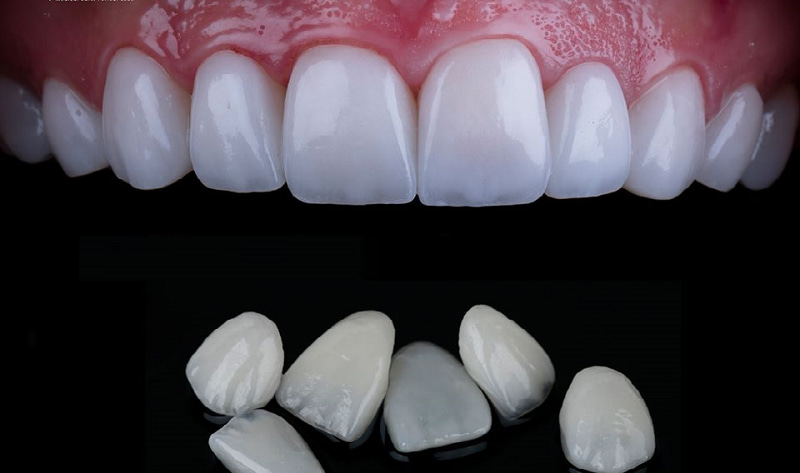
Why Can Porcelain Veneers Be Very Thin Yet Still Strong and Durable?
The key factor of Porcelain Veneers lies in the strong bond between the veneer and the natural tooth structure. When Porcelain Veneers are properly indicated, bonded with the correct technique, and the bite is well controlled, each veneer is no longer just a separate layer of porcelain but becomes an integrated part of the natural tooth.
Because of this bonding strength, Porcelain Veneers can be very thin while still maintaining good durability and stability. High-quality Porcelain Veneers are designed to enhance the appearance of the teeth while preserving as much natural tooth structure as possible. When placed correctly, Porcelain Veneers can withstand normal chewing forces in daily activities.
However, patients should understand that both Porcelain Veneers and natural tooth enamel can chip, crack, or break if exposed to excessive force. This is especially true when biting hard objects, using the teeth for the wrong function, or having a long-term teeth grinding habit. Therefore, the durability of Porcelain Veneers depends not only on the material but also on proper treatment planning, bonding technique, bite control, and daily care.
Do Porcelain Veneers Chip Easily?
Porcelain Veneers do not chip easily when they are properly indicated, performed with the correct technique, and cared for properly. In many aesthetic dental treatments, Porcelain Veneers are chosen because they offer a balance between thinness, natural appearance, and long-term strength.
However, any restoration in the mouth has a limit to how much force it can withstand. If a person frequently bites ice, bites their nails, chews hard objects, or uses their teeth to open packaging, the risk of chipping or breakage will increase. These habits can place excessive stress on Porcelain Veneers and may affect their long-term durability.
In addition, people who have a habit of grinding or clenching their teeth at night should inform the dentist before getting Porcelain Veneers. In many cases, the dentist may recommend a protective night guard to reduce the force placed on both the natural teeth and Porcelain Veneers. This helps protect the veneers, maintain the bite, and reduce the risk of cracks, chips, or premature damage.
Important Notes After Porcelain Veneer Placement
After Porcelain Veneers are placed, patients may need a few days to a few weeks to get used to the new tooth shape and bite. This is a normal response because the lips, tongue, and chewing muscles need time to adapt to the change.
During this adaptation period, may feel slightly different from natural teeth at first, especially if the tooth shape, length, or bite contact has been adjusted. However, well-designed should feel comfortable and natural after the patient adapts.
If you feel that your bite is high, uncomfortable, uneven, or that one tooth is receiving more force than usual when chewing, you should inform your dentist right away. Timely bite adjustment helps protect and reduce the risk of future cracks or chips.
A well-balanced bite is very important for the long-term success . Even if the veneers look beautiful, uneven biting forces can affect their durability. For this reason, follow-up appointments after placement are important to check comfort, bite stability, and gum health.
How to Care for Porcelain Veneers Properly
To maintain the durability and aesthetics in the long term, you should avoid chewing or biting hard objects such as pencils, ice, or fingernails. Do not use your teeth to open bottle caps, tear packaging, or bite seasoning packets, as these are not natural functions of the teeth and may damage
When eating hard foods such as apples, hard chocolate, or chewy foods, you should cut them into smaller pieces before chewing. Avoid using the front teeth to bite directly into foods that are too chewy or too hard. Instead, use the back teeth for chewing to distribute force more evenly and protect
In addition, proper brushing, flossing, and regular dental check-ups remain very important after getting. Although the porcelain surface does not decay like natural teeth, the natural tooth structure underneath and the surrounding gum tissue still need careful care to maintain good oral health.
Patients with should brush gently with a soft-bristled toothbrush, clean between the teeth every day, and visit the dentist regularly for professional check-ups. These habits help keep bright, clean, and stable over time.
With proper care, good oral hygiene, regular dental visits, and controlled biting forces, Porcelain Veneers can maintain their natural appearance and function for many years. The long-term success epends on both the dentist’s technique and the patient’s daily habits.

Who Is Suitable for Porcelain Veneers?
Porcelain veneers are often suitable for cases of discolored teeth, teeth with less harmonious shapes, mild spacing, small chips, or teeth with uneven proportions. However, not everyone is a suitable candidate for this treatment.
If the teeth are severely misaligned, the bite is unstable, the enamel is weak, tooth decay has not been treated, or the patient has a severe teeth grinding habit, the dentist needs to carefully evaluate the condition before deciding whether porcelain veneers are appropriate. A good aesthetic treatment plan should not only make the teeth look more beautiful but also preserve natural tooth structure and ensure proper chewing function.
Conclusion
Although porcelain veneers are very thin, they can still be strohttps://drngotuananh.vn/contactng and durable when they are properly indicated, bonded with the correct technique, and cared for properly. The durability of porcelain veneers depends not only on the ceramic material but also on the dentist’s skill, the bite condition, chewing habits, and each patient’s oral hygiene routine.
At Dr. Ngo Tuan Anh Orthodontics & TMD Center – Aesthetic Dentistry, each porcelain veneer case is evaluated based on the condition of the natural teeth, bite, smile line, and overall facial harmony. The goal is not only to create a more beautiful smile but also to maintain a natural, harmonious, and long-lasting result over time.
Contact: https://drngotuananh.vn/contact
